
Did you know we have videos on YouTube? That’s right, Tahoma Specialty Pest Services has fun, and educational, videos on YouTube that we post regularly. You can find the channel at: youtube.com/@tahomapest

Tahoma Specialty Pest Services
Pest and Wildlife Control for Residential and Commercial Clients in the Spokane, and Inland Northwest Region
Did you know we have videos on YouTube? That’s right, Tahoma Specialty Pest Services has fun, and educational, videos on YouTube that we post regularly. You can find the channel at: youtube.com/@tahomapest
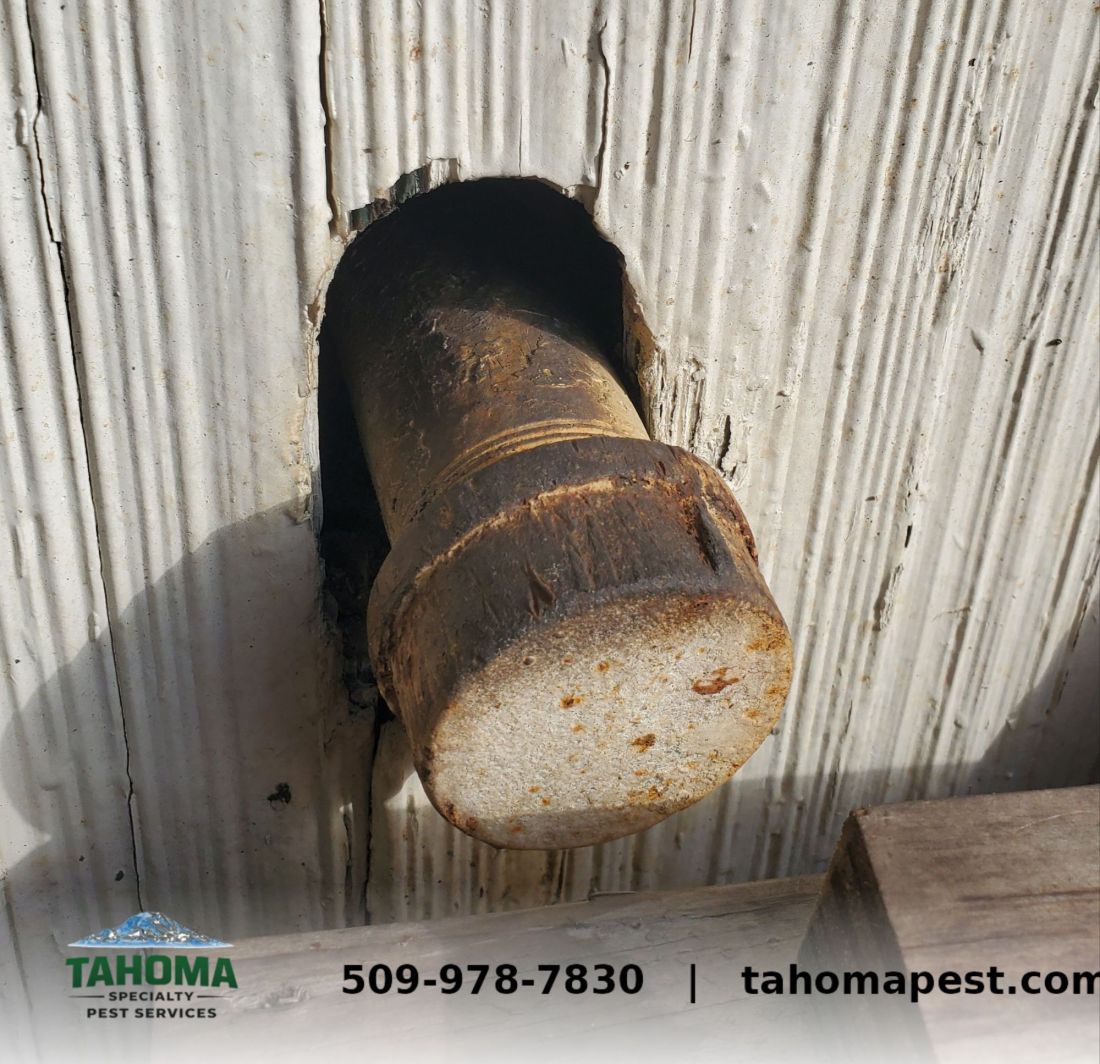
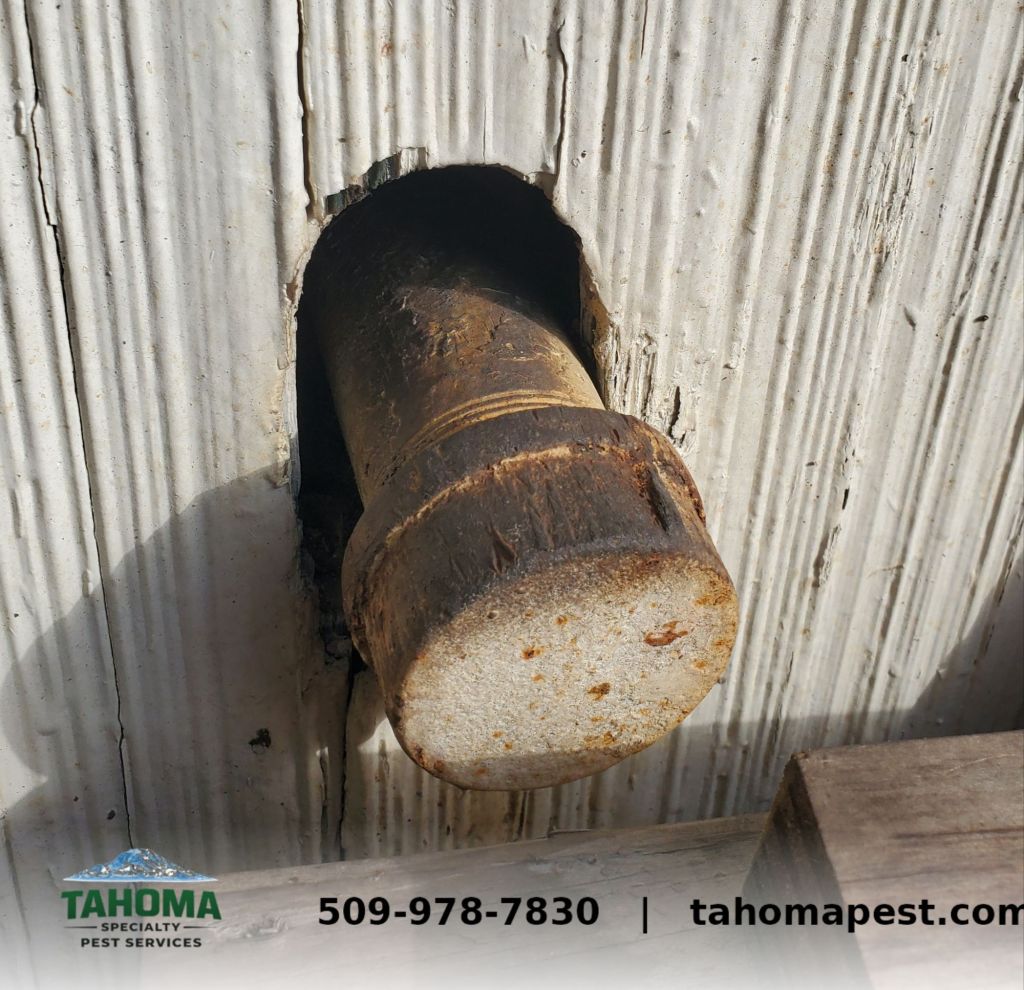
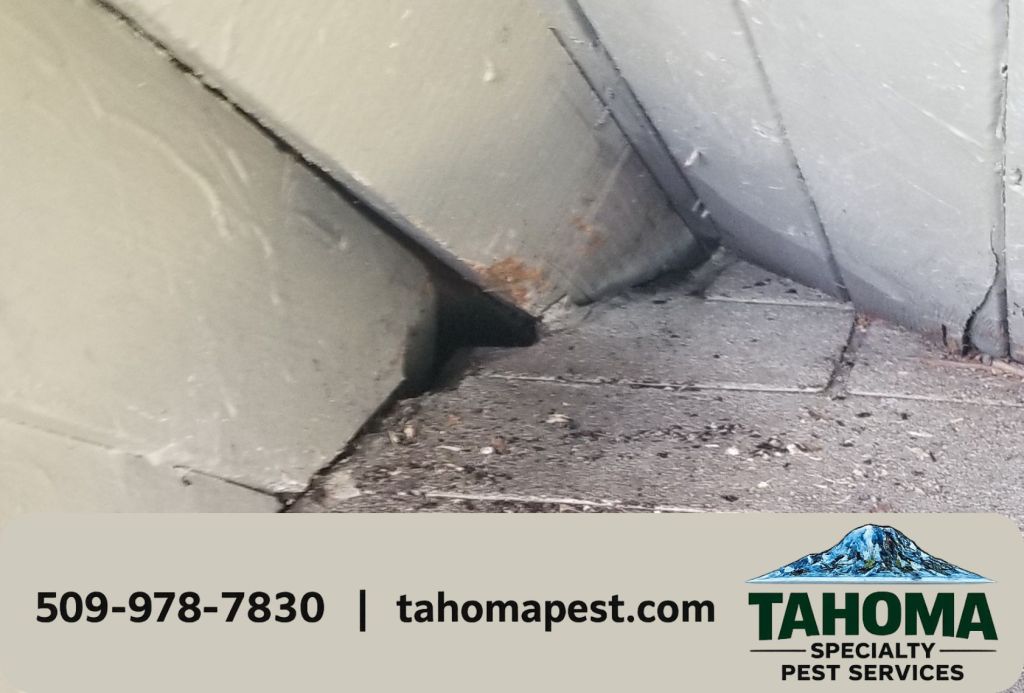
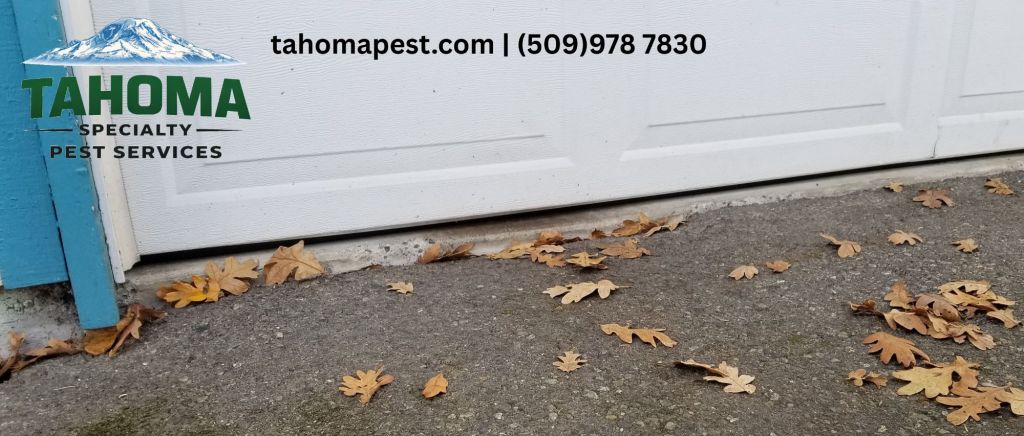
As temperatures begin to warm around Spokane, pest and wildlife activity begins to increase.
One of the most common issues this time of year isn’t just the animals themselves — it’s how they get into structures in the first place.
Many homes have small openings that go unnoticed until activity starts picking up in spring.
Common entry points include:
• gaps along rooflines and eaves
• attic vents and soffit openings
• areas where utilities enter the home
• damaged or loose vent screens
• gaps along foundations or under siding
Wildlife like squirrels, raccoons, and rodents are especially good at finding these weak points. Once inside, they can nest in attics, crawlspaces, or wall voids.
In many cases, the problem isn’t just removing the animal — it’s identifying and addressing the entry point that allowed it in.
Spring is often when these issues first become noticeable, as animals become more active and begin looking for shelter or nesting locations.
If you’re hearing movement, noticing damage, or seeing signs of activity, there’s usually a structural reason behind it.
Tahoma Specialty Pest Services
509-978-7830
tahomapest.com
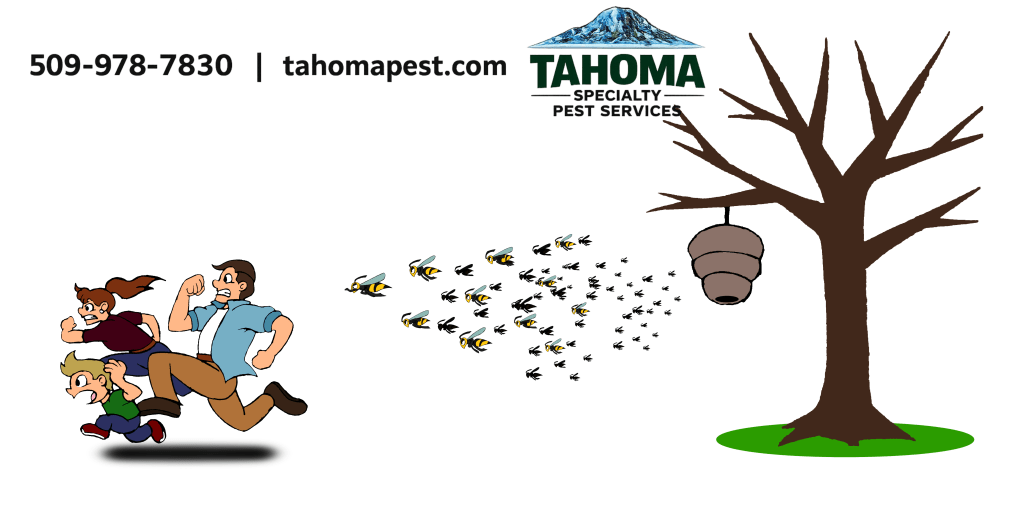
As temperatures begin warming around Spokane, homeowners often start noticing a few wasps showing up around their property.
This can be surprising because it’s still early in the season. But these aren’t random insects wandering around — they’re queen wasps that have just emerged from winter hibernation.
Each spring, a single fertilized queen wakes up and begins searching for a place to start a new nest.
Common places queens scout include:
• roof eaves and overhangs
• sheds and outbuildings
• porch ceilings
• attic vents
• wall voids
At this stage, there is only one wasp, but she is looking for a protected location where she can begin building the first cells of a nest.
Once eggs are laid and the first workers emerge, the nest can grow quickly through late spring and summer.
Early-season sightings don’t necessarily mean a large nest is present yet — but they do mean queens are actively scouting around structures.
Tahoma Specialty Pest Services
509-978-7830
tahomapest.com
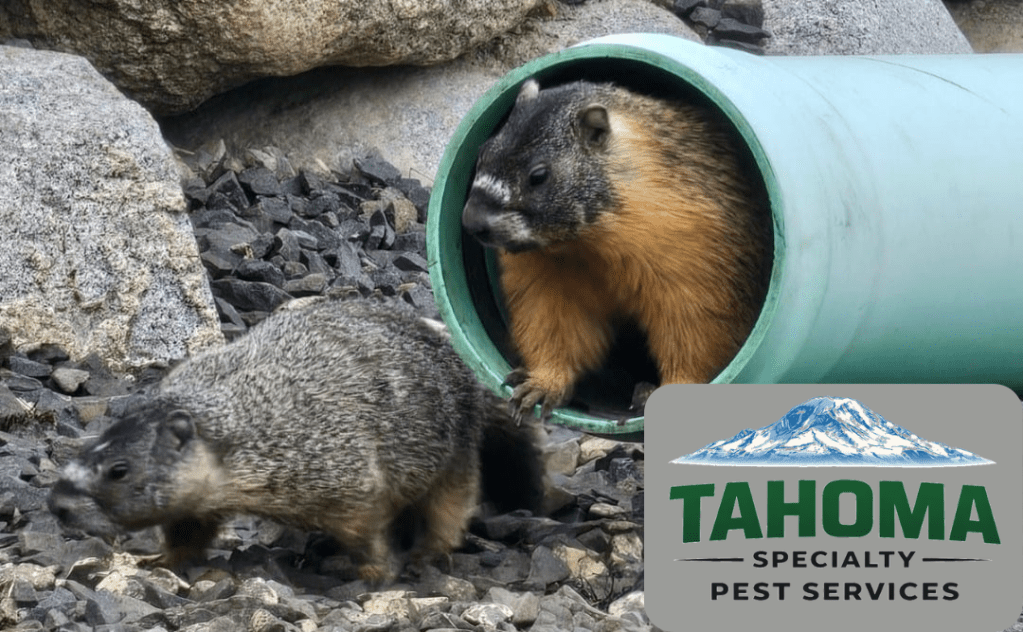
With spring approaching in the Inland Northwest, one of the first nuisance wildlife problems to reappear around Spokane is marmots.
Also known as rock chucks or whistle pigs, these large burrowing rodents spend most of the winter in deep hibernation. As temperatures begin to warm, they start emerging hungry and ready to reclaim territory.
For homeowners, that’s often when the trouble begins.
Where They Show Up Around Homes
In the Spokane area.
Marmots commonly burrow around:
-Retaining walls -Concrete slabs
-Rock landscaping
-Foundations
-Decks and sheds
These burrow systems can extend 15–30 feet underground, and over time they can undermine structures and cause settling or collapse.
Areas along the Spokane River corridor and the I-90 area tend to see particularly heavy marmot activity.
Signs You Might Have Marmots Nearby
Homeowners usually notice:
Large burrow openings (6–10 inches wide)
Fresh dirt piles near rocks or structures
Chewed vegetation or garden damage
Marmots sunning themselves on rocks or retaining walls A sharp whistling alarm call (where the nickname whistle pig comes from)
Why Early Spring Matters
When marmots wake up from hibernation they immediately start:
Feeding heavily
Reestablishing territory
Preparing for breeding season
Addressing activity early in the season can prevent larger problems later in the year.
If you’re seeing marmot activity around your property in the Spokane area, early intervention is often the best approach.
Tahoma Specialty Pest Services
509-978-7830
tahomapest.com
#Spokane
#marmots

If you’ve already spotted a few scout ants marching across your kitchen counter or along the baseboards in early March, you’re not imagining it. After a milder-than-usual winter across the Inland Northwest, ant activity is ramping up weeks ahead of the typical schedule in Spokane, Coeur d’Alene, and surrounding areas.
Carpenter ants, odorous house ants, and pavement ants are the usual early-spring troublemakers here. They don’t wait for summer—they start scouting for food, water, and nesting spots as soon as temperatures consistently hit the 50s.
The good news? You can knock back most early invasions with a few smart, low-effort moves before they turn into full trails or satellite nests. Here are the three most effective things Spokane-area homeowners can do right now:
Eliminate the attractants they’re after
Ants are on a mission for sweets, proteins, and moisture. Wipe counters with a 1:1 vinegar-water mix (disrupts their scent trails), store pantry goods in sealed containers, fix any slow drips under sinks, and take out trash/recycling daily. A single forgotten soda spill or pet-food bowl can feed dozens of scouts.
Seal the obvious entry points
Check windowsills, door thresholds, foundation cracks, and where pipes/utilities enter the house. Use silicone caulk for small gaps and steel wool + caulk for larger ones (ants can squeeze through openings as small as 1/16 inch). Weatherstripping on doors is a quick win too. Most early trails follow predictable paths—follow them backward to find the entry.
Know when to monitor vs. call in pros
A handful of scouts? Often just keep an eye on it after cleaning/sealing. Multiple trails, ants in walls, or sawdust-like frass (especially with carpenter ants)? That’s when professional treatment makes sense to prevent structural damage or bigger colonies. We’re big believers in honest assessments—not every sighting needs a full treatment right away.
Seeing more than a few scouts or already dealing with established trails indoors? Text or call us at 509-978-7830—we’ll give you a straight answer on whether it’s worth treating now or just monitoring through spring.
Ants don’t RSVP… but you can tell them the party’s over. 🐜🚪http://tahomapest.com
 Tahoma Specialty Pest Services