As temperatures begin to warm up, it’s common to start noticing more spider activity around homes. While spiders are often seen as the problem, they’re usually a sign of something else going on. Spiders follow food. As insect activity increases in the spring, spiders begin to show up in areas where food is available. This often includes: • around exterior lighting • along siding and eaves • near entry points • inside garages and basements In many cases, the presence of spiders indicates that other insects are active in and around the structure. Because of this, focusing only on spiders doesn’t usually address the root of the issue. Effective control comes from reducing the underlying insect activity and maintaining a consistent exterior treatment around the home. As overall pest pressure increases through the season, spider activity often follows the same pattern. Tahoma Specialty Pest Services 509-978-7830 tahomapest.com
Did you know we have videos on YouTube? That’s right, Tahoma Specialty Pest Services has fun, and educational, videos on YouTube that we post regularly. You can find the channel at: youtube.com/@tahomapest
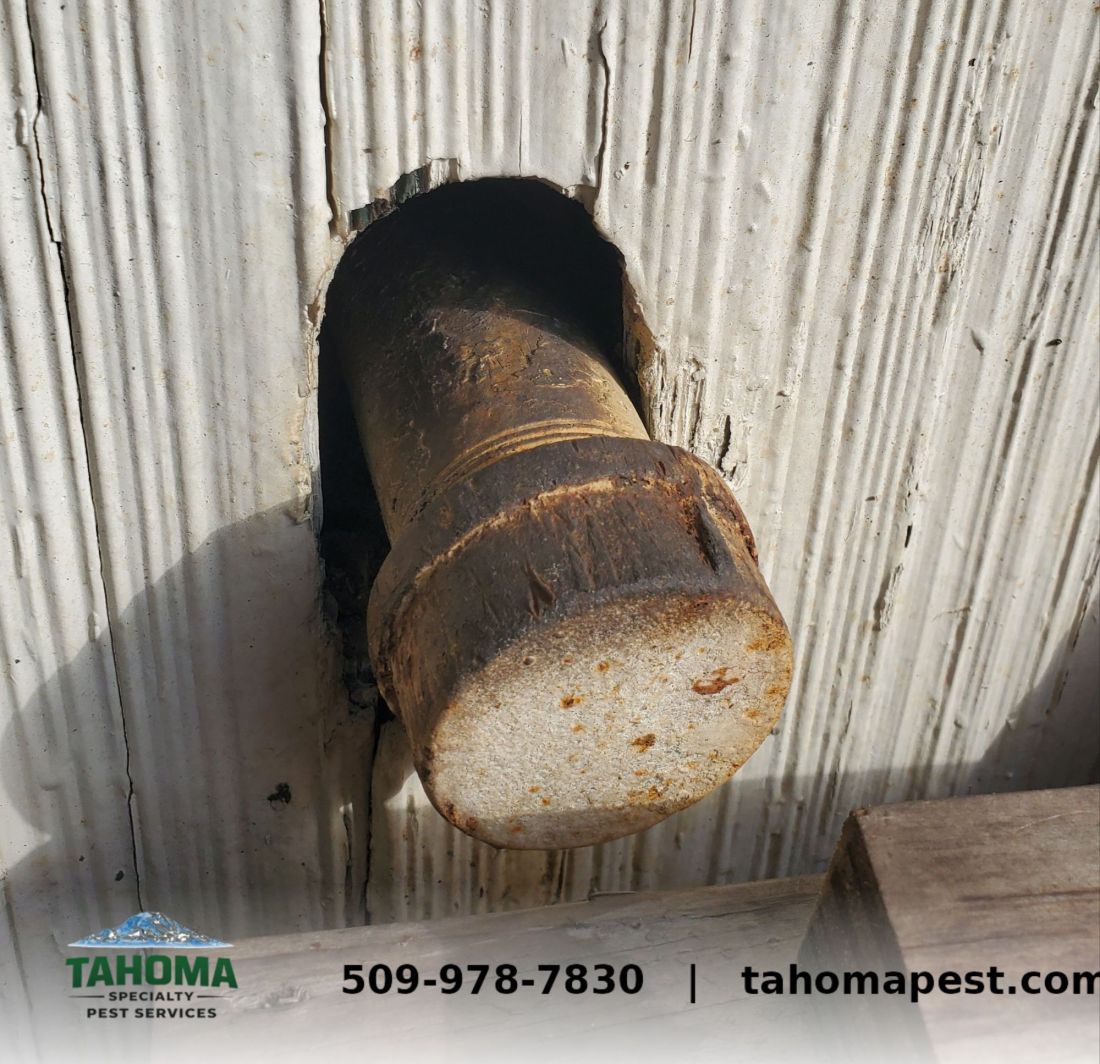
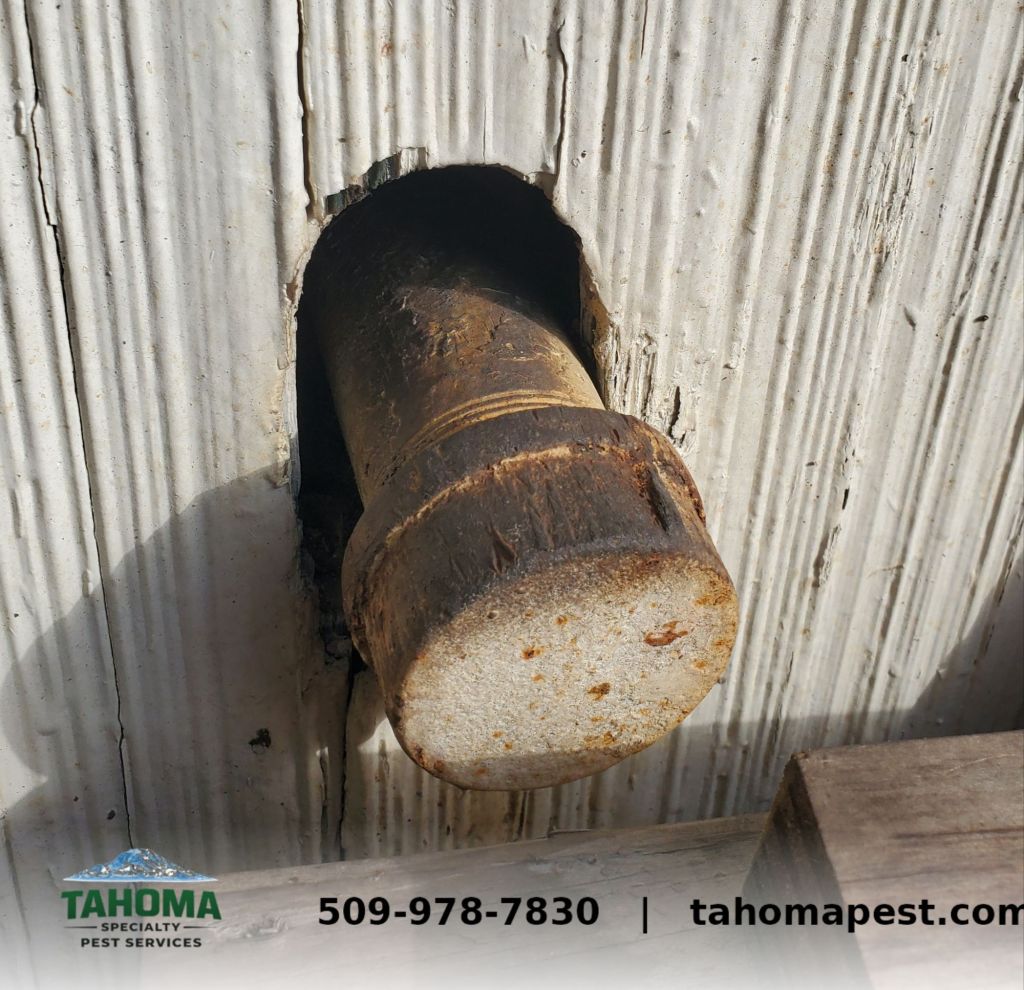
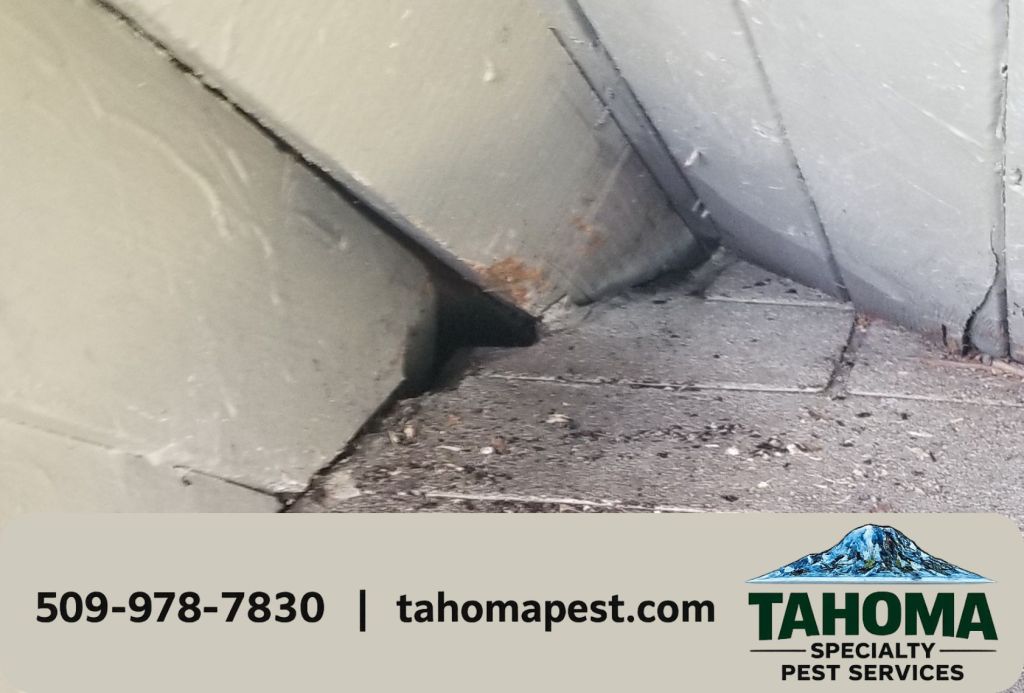
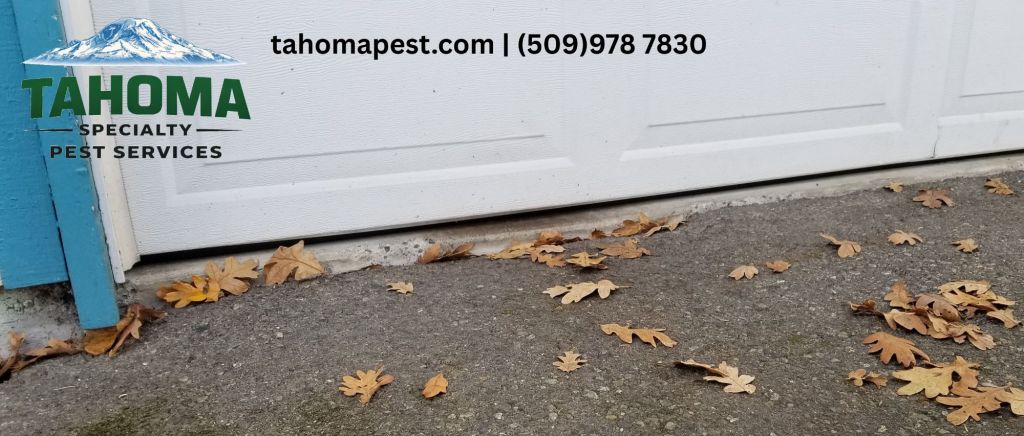
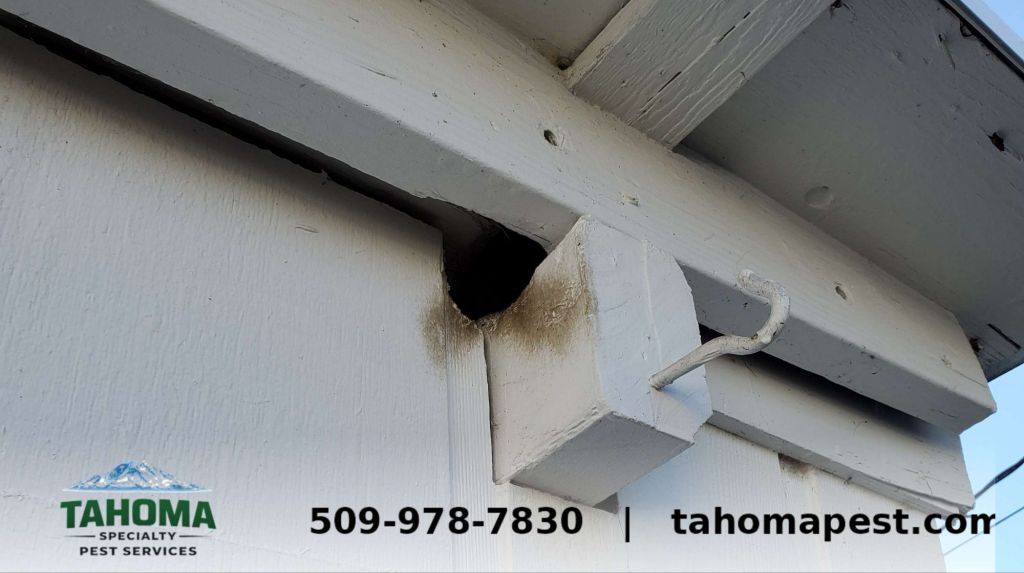
As temperatures begin to warm around Spokane, pest and wildlife activity begins to increase. One of the most common issues this time of year isn’t just the animals themselves — it’s how they get into structures in the first place. Many homes have small openings that go unnoticed until activity starts picking up in spring. Common entry points include: • gaps along rooflines and eaves • attic vents and soffit openings • areas where utilities enter the home • damaged or loose vent screens • gaps along foundations or under siding Wildlife like squirrels, raccoons, and rodents are especially good at finding these weak points. Once inside, they can nest in attics, crawlspaces, or wall voids. In many cases, the problem isn’t just removing the animal — it’s identifying and addressing the entry point that allowed it in. Spring is often when these issues first become noticeable, as animals become more active and begin looking for shelter or nesting locations. If you’re hearing movement, noticing damage, or seeing signs of activity, there’s usually a structural reason behind it. Tahoma Specialty Pest Services 509-978-7830 tahomapest.com
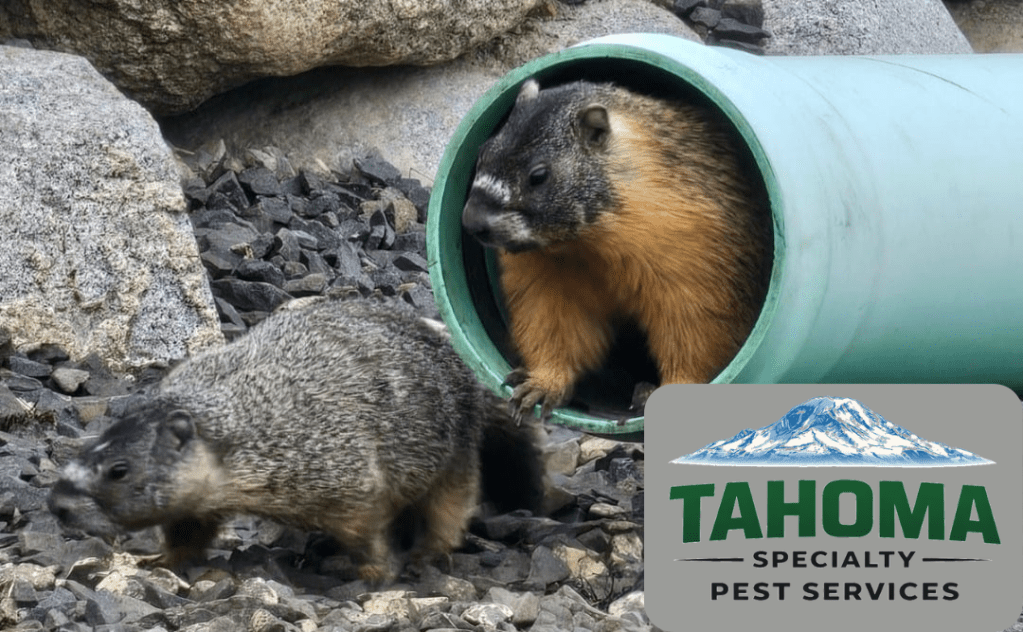
With spring approaching in the Inland Northwest, one of the first nuisance wildlife problems to reappear around Spokane is marmots. Also known as rock chucks or whistle pigs, these large burrowing rodents spend most of the winter in deep hibernation. As temperatures begin to warm, they start emerging hungry and ready to reclaim territory. For homeowners, that’s often when the trouble begins.
Where They Show Up Around Homes In the Spokane area.
Marmots commonly burrow around: -Retaining walls -Concrete slabs -Rock landscaping -Foundations -Decks and sheds These burrow systems can extend 15–30 feet underground, and over time they can undermine structures and cause settling or collapse. Areas along the Spokane River corridor and the I-90 area tend to see particularly heavy marmot activity.
Signs You Might Have Marmots Nearby
Homeowners usually notice: Large burrow openings (6–10 inches wide) Fresh dirt piles near rocks or structures Chewed vegetation or garden damage Marmots sunning themselves on rocks or retaining walls A sharp whistling alarm call (where the nickname whistle pig comes from)
Why Early Spring Matters
When marmots wake up from hibernation they immediately start: Feeding heavily Reestablishing territory Preparing for breeding season Addressing activity early in the season can prevent larger problems later in the year. If you’re seeing marmot activity around your property in the Spokane area, early intervention is often the best approach.
Tahoma Specialty Pest Services 509-978-7830 tahomapest.com
It was to make it clearer, easier to navigate, and better aligned with how we actually approach pest and wildlife problems in the Spokane, and Inland Northwest region.
Why the Redesign?
Pest and wildlife issues are stressful enough.
When homeowners go looking for information, they shouldn’t have to dig through cluttered pages or vague service descriptions.
The updated site was built to be:
Cleaner
Easier to understand
More direct
More transparent about our process
Our work has always centered on thorough inspection, structural awareness, and long-term solutions. The redesigned website reflects that clearly.
What’s Improved
The new site includes:
Clearer explanations of rodent and wildlife control
Better breakdowns of inspection and exclusion work
More detailed service pages
A simplified contact process
Improved mobile experience
Spokane homeowners deserve straightforward information when dealing with structural pest or wildlife issues. The new layout makes that easier.
Built for Spokane
Homes in Spokane and the surrounding areas have specific structural patterns and seasonal pressures. The updated site speaks directly to those realities.
No hype. No gimmicks. Just clear information and a structured approach to solving problems correctly.
If you’ve ever had a pest problem treated — only to have it return weeks or months later — you’re not alone. One of the most common calls I receive in Spokane goes something like this: “We already had someone out. It seemed better for a while… but now they’re back.” Rats. Mice. Wasps. Ants. Wildlife in attics. The pattern is the same. And in most cases, the issue isn’t the treatment. It’s the inspection.
Treatment Isn’t the Same as Diagnosis
In pest and wildlife control, treatment gets most of the attention. Bait stations. Traps. Sprays. Dusts. Removal. Those tools matter — but they only work long-term if the root cause has been identified. When a pest issue keeps returning, it usually means something was missed during the inspection phase. An overlooked entry point. An unsealed gap. A secondary access route. A structural vulnerability. If those aren’t discovered, the problem isn’t actually solved — it’s temporarily reduced.
Why Inspection Matters More Than Most People Think
A proper inspection isn’t a quick walk around the house. It means looking at: Roofline transitions Utility penetrations Crawlspace vents Foundation gaps Attic access points Construction joints Eave returns Wildlife pathways Rodents and nuisance wildlife are persistent. If there’s a way in, they will find it. If one gap is sealed but three others are missed, the problem returns — and it feels like the treatment “didn’t work.” In reality, the structure was never fully evaluated.
The Spokane Factor
Homes in Spokane — especially older homes and properties north of the city — have common structural traits that create recurring issues: Aging vent screens Expanding and contracting siding gaps Settling foundations Roofline transitions exposed to weather Seasonal shifts make this worse. When temperatures drop or wildlife pressure increases, small vulnerabilities become entry points. If inspection isn’t thorough, the problem cycles.
Why Over-Reliance on Bait Happens?
Bait has a role. Traps have a role. But if entry points remain open, rodents simply continue accessing the structure. Without identifying how they’re getting in, treatment becomes maintenance instead of resolution. Long-term solutions almost always involve some level of exclusion — and exclusion only works when inspection is complete.
What a Proper Approach Looks Like
If You’re Dealing With a Recurring Issue
When I approach a recurring pest problem, the first question isn’t: “What product should we use?” It’s: “Where is the vulnerability?” Once that’s identified, treatment becomes targeted and effective — and exclusion becomes meaningful. That’s when problems stop returning.
If something keeps coming back, it doesn’t necessarily mean previous work was careless. Often it simply means something was missed. Pest and wildlife issues are rarely random. There is almost always a structural reason behind them. And when that reason is found, the solution becomes straightforward. If you’re in Spokane and dealing with a recurring pest or wildlife problem, a thorough inspection is the first place to start.
Tahoma Specialty Pest Services 509-978-7830 tahomapest.com
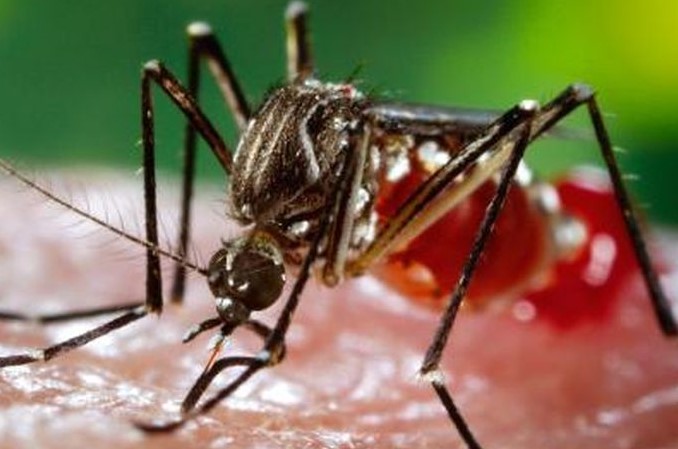
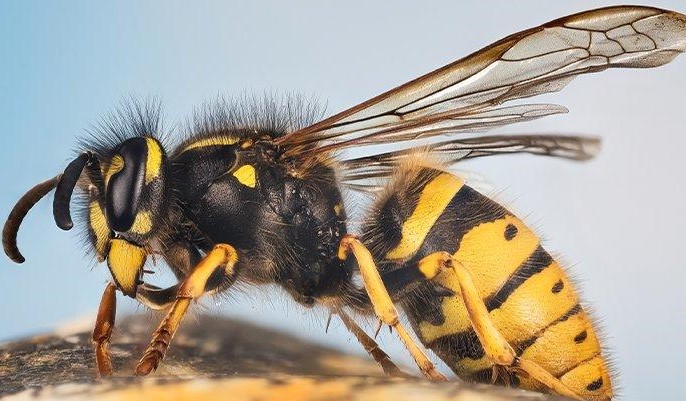
Its that time of year again! It is becoming almost impossible to enjoy a nice Summer evening without the constant worry of mosquitos and wasps pestering you. Give a call to Tahoma Pest, and we’ll make your Summer enjoyable again!
Spring is here…and so are pests! Tahoma Specialty Pest Services is your #1 go to source for Pest and Nuisance – Wildlife Control. A family-operated business, we provide services for commercial & residential clients in the Spokane area. Check us out today at: RATSBATSandBUGS.COM then call us at (509) 978 7830





 Tahoma Specialty Pest Services